
The Psychology Behind Viral Content: Why People Share What They Share
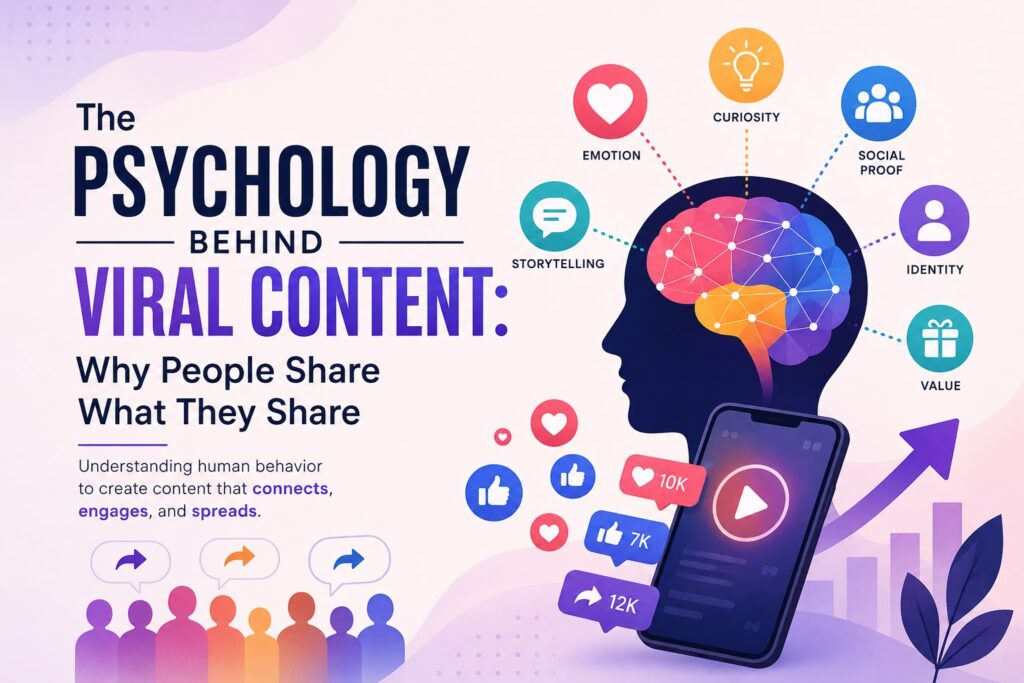
Every single day, an overwhelming volume of content — spanning articles, videos, images, and social media posts — floods the digital landscape, all competing fiercely for a finite amount of human attention. Yet despite this enormous volume, only a remarkably small percentage of that content manages to break through the noise and achieve what every creator dreams of: going viral. While it would be naive to completely dismiss the role that luck and timing can play in a piece of content’s unexpected rise to widespread popularity, the truth is that virality is far more deliberate and predictable than most people assume. More often than not, the content that spreads like wildfire does so because it is deeply rooted in human psychology — it strikes an emotional chord, fulfills a social need, or taps into something universally relatable. Understanding the underlying psychological triggers that compel people to hit the “share” button — whether it’s the desire to connect, to inspire, to entertain, or to inform — can be an incredibly powerful tool. For marketers looking to broaden their reach, creators striving to build meaningful audiences, and businesses aiming to leave a lasting impression, gaining this understanding is not just beneficial — it is essential to crafting campaigns that are not only more engaging, but truly impactful in a world where attention is the most valuable currency of all.
What Makes Content Go Viral?
Viral content is content that spreads rapidly across digital platforms through shares, comments, likes, and word-of-mouth. Whether it’s a video, image, blog post, or social media campaign, successful viral content often triggers strong emotional and psychological responses.
1. Emotion Drives Sharing
People are more likely to share content that makes them feel something.
Common emotions that encourage sharing include:
* Joy and happiness
* Inspiration
* Surprise
* Excitement
* Empathy
* Nostalgia
Content that evokes strong emotions tends to receive higher engagement because people want others to experience the same feelings.
2. People Share Content That Reflects Their Identity
Social media has become a way for individuals to express who they are. People often share content that aligns with their values, interests, beliefs, or personality.
For example:
* A fitness enthusiast may share workout tips.
* A marketer may share industry insights.
* An environmental advocate may share sustainability content.
Sharing content allows people to communicate their identity to others.
3. Social Proof Influences Behavior
Humans naturally look to others when deciding what is valuable or important. When a post already has thousands of likes, comments, or shares, people are more likely to engage with it.
This phenomenon is known as social proof—the psychological tendency to follow the actions of others.
4. Storytelling Creates Emotional Connection
Stories are easier to remember than facts alone. They help audiences connect emotionally with a message.
Effective storytelling often includes:
* A relatable challenge
* An emotional journey
* A meaningful outcome
Brands that tell compelling stories are more likely to capture attention and encourage sharing.
5. Practical Value Encourages Sharing
People enjoy sharing content that helps others.
Examples include:
* Marketing tips
* Productivity hacks
* Health advice
* Educational content
* Checklists and guides
When content provides genuine value, people feel motivated to pass it along to their network.
6. Curiosity Captures Attention
Humans are naturally curious. Headlines or visuals that create an information gap encourage people to click, read, and share.
Examples:
* “The Marketing Mistake Most Businesses Don’t Realize They’re Making”
* “What Happened When This Brand Changed One Small Thing”
Curiosity should attract attention without becoming misleading or clickbait.
7. Visual Content Is Processed Faster
Studies consistently show that people process visual information more quickly than text. Images, videos, infographics, and short-form reels can increase engagement and improve content retention.
Strong visuals help content stand out in crowded social feeds.
Examples of Viral Content Triggers
Psychological Trigger Example
Emotion Heartwarming customer story
Identity Professional achievement post
Social Proof Trending challenge
Curiosity Unexpected marketing result
Value Free marketing checklist
Storytelling Founder success journey
How Marketers Can Apply These Principles
To increase the likelihood of content being shared:
* Focus on one clear message.
* Create content that evokes emotion.
* Use storytelling whenever possible.
* Provide practical value.
* Design eye-catching visuals.
* Encourage audience interaction.
* Stay authentic and relevant to your brand.
Conclusion
Viral content is not simply about trends or algorithms. At its core, it is about human psychology. People share content that makes them feel, helps them connect with others, reflects their identity, or provides value. By understanding these psychological principles, marketers can create content that resonates more deeply with audiences and has a greater chance of being shared.